







Search Results for: Libbey glass

The Origins and Home Recipe of Blue Bottle Coffee Gibraltar: From the Libbey Glass to an Improved Cortado
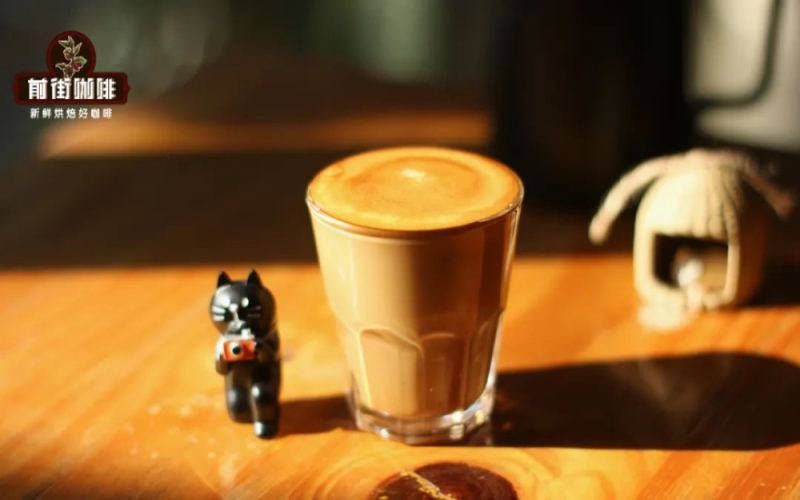
On the menu at Blue Bottle Coffee shops, there is a drink with a tongue-twisting name that is particularly intriguing—the Gibraltar. It is at once the name of a port city, the designation of Libbey's classic glassware series, and a rich little milk coffee that sits somewhere between a latte and a macchiato. This drink was not deliberately developed, but arose from an accidental purchase of the wrong glass: a 4.5-ounce small glass could not hold a regular milk coffee, yet it was just right for observing espresso crema, so a barista blended a small amount of thin-microfoam milk into a double espresso, accidentally creating an off-menu hit. Today, Front Street takes everyone through the origins of the Gibraltar, compares its similarities and differences with the cortado, and finally provides a home recipe with parameter references. [more…]
What is a Cortado coffee? From the Basque Country of Spain to the global evolution and preparation comparison of espresso milk coffees
Cortado is a mini espresso milk coffee originating from the Basque region of Spain, with a name derived from the Spanish word "cortar," meaning "to cut." It uses a small amount of steamed milk to "cut into" espresso, forming a classic ratio of 1:1 or 1:0.5, with a very small cup size, and typically without frothing the milk or retaining only an ultra-thin milk foam. As Cortado spread to Saudi Arabia, Costa Rica, Italy, Malaysia, and other places, local baristas continuously adjusted the recipe according to local tastes, giving rise to modified versions like Blue Bottle's Gibraltar and Cuba's Cortadito. In this article, Front Street Coffee breaks down the traditional characteristics of Cortado, its global variations, and compares its recipe and flavor with Piccolo coffee, helping coffee enthusiasts clarify the unique features of this lesser-known espresso coffee. [more…]
What's the Difference Between a Cortado and a Piccolo? One Article Explains the Origins, Recipe, and Evolution of This Little-Known Spanish Espresso Milk Drink
Among the wide variety of espresso-based milk coffees, the Cortado is a rather obscure presence—it is made simply by mixing espresso with hot milk in proportion, simple to prepare yet outstanding in flavor. Originating from the Basque region of Spain, this drink, with its 1:1 ratio of coffee to milk, reduces the heaviness of the espresso while preserving its rich coffee aroma, and is popular in Spain, Portugal, Cuba, and elsewhere. As it spread, it was continually adapted in different countries, also giving rise to classic variations such as the Gibraltar. This article walks you through the origins of the Cortado, its traditional preparation, its evolution across regions, and how it differs from the similar-looking, equally small-cup Piccolo coffee. [more…]

Malaysian Iced Coffee Found to Contain Large Amounts of Broken Glass, Consumer Calls Police to Hold Store Accountable, Food Safety Hazards Spark Heated Debate
Recently, a consumer in Malaysia exposed in a Facebook group that the iced coffee they bought takeaway from a local coffee shop was mixed with a large amount of broken glass, causing the plastic bag to rupture and leak. The person only discovered after returning home that these glass shards were hidden in the ice cubes, of varying sizes with sharp edges, some even large enough to be picked up by hand. The coffee shop involved denied any problem with its product and refused to take responsibility. The incident sparked widespread attention and speculation among netizens, with some worried that insufficient evidence would make it difficult to defend their rights, while others called for exposing the store's information to prevent more people from being harmed. Currently, the person has reported the case to the police, hoping for police intervention to uncover the truth. [more…]
Is a chilled glass necessary for a Dirty coffee? Testing the layering effect and key preparation points at three glass temperatures
Dirty coffee has become a staple in specialty cafes thanks to its high aesthetic appeal and unique taste, yet there has always been debate over whether an ice-cold cup is essential during preparation. Through side-by-side testing of glass cups at room temperature, refrigerated, and frozen, Front Street found that milk quality is the key to layering, while cup temperature mainly affects the chilled mouthfeel and the preservation of crema. The article also traces the practice of Dirty's originator, Katsuyuki Tanaka, who did not pre-chill his cup. If you're after photogenic presentation and a layered experience, Front Street recommends chilling the cup together with the milk and paying attention to the optimal tasting window. [more…]
Why the HARIO V60 dripper has become a staple in coffee shops: a detailed explanation of its cone shape, single hole, and spiral rib structure
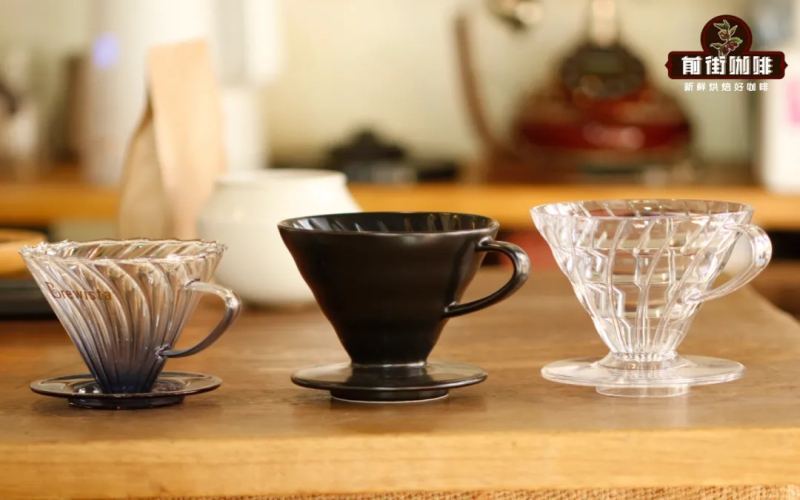
Among the many pour-over drippers, the HARIO V60 has become the top choice for many cafés and enthusiasts thanks to its unique cone shape, single hole, and spiral rib design. Its structure allows for more even contact between hot water and coffee grounds, and a more controllable drip rhythm, while also balancing practicality with a stylish appearance. This article starts from the structural principles to analyze why the V60 has become so widely popular, and compares the pros and cons of plastic and glass materials to help you make a decision that suits you better when purchasing. It also retains relevant product recommendation information from Front Street Coffee. [more…]
How to Choose the Material for a Home Coffee Dripper? A Hands-On Test of Resin, Glass, and Ceramic V60 on Heat Retention, Flow, and Flavor Differences
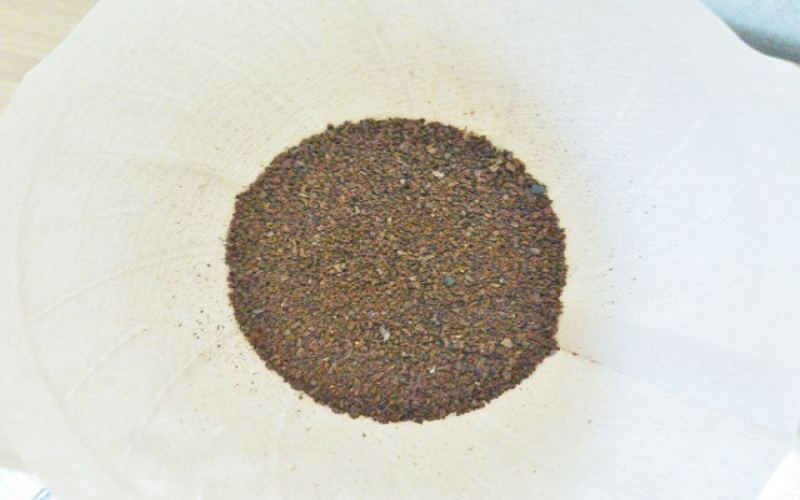
Faced with the dazzling array of V60 drippers on the market, many pour-over beginners are puzzled: they're all drippers, so why is there such a big price gap between resin, glass, and ceramic—does the coffee brewed really taste different? This time, Front Street Coffee specifically conducted a comparative test, using Ethiopian Yirgacheffe Gudingding washed beans, and under the same dose, water temperature, grind size, and coffee-to-water ratio, examined the heat retention performance, flow rate, and final flavor direction of three dripper materials. The article not only provides coffee bed temperature data without preheating and after thorough preheating, but also explains in detail how different materials affect the extraction rhythm, helping you choose the dripper that is truly suitable for home use based on the beans you usually drink and your budget. [more…]
A Beginner's Guide to Choosing Home Coffee Brewing Equipment: A Full Analysis of the Heat Retention and Flow Dynamics Differences Between Resin, Glass, and Ceramic Drippers
Faced with the dazzling array of V60 drippers on the market, beginners are often confused about how to choose among resin, glass, and ceramic materials. After receiving readers' messages, Front Street Coffee specifically used Ethiopian Yirgacheffe Gutingting washed beans for comparative brewing, testing everything from heat retention and flow dynamics to the final flavor performance. This article fully presents the temperature change data of drippers made of different materials under preheated and non-preheated conditions, analyzes why ceramic retains heat well but tends to over-extract, while resin cools quickly yet delivers better layering, and offers purchasing advice for different roast levels and taste preferences, helping coffee lovers find the one that suits them best. [more…]
Which Milk Should You Choose for Coffee? A Side-by-Side Taste Test of Glass-Bottled Fresh Milk vs. Water Buffalo Milk
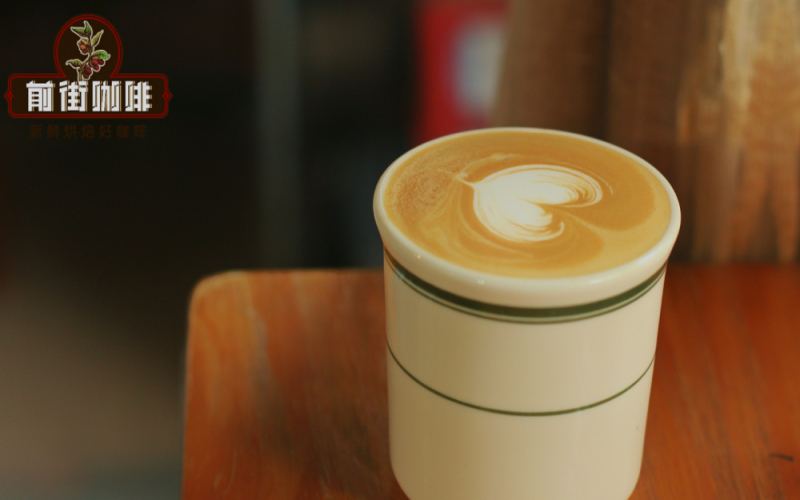
After coffee shops launched water buffalo milk Dirty, this milk source sparked widespread discussion in the coffee community. Water buffalo milk is familiar to friends in Guangzhou, Foshan, and Guangxi, but how does it actually perform in coffee? This article, through hands-on comparisons of glass-bottled fresh milk and water buffalo milk, makes hot lattes, Dirty, and iced mochas respectively, recording one by one from milk foam fineness, coffee integration, layering effect, to flavor layers. At the same time, it will also sort out the effects of pasteurization and ultra-high-temperature sterilization on milk taste, helping coffee lovers and cafe owners find milk suitable for pairing with coffee. [more…]
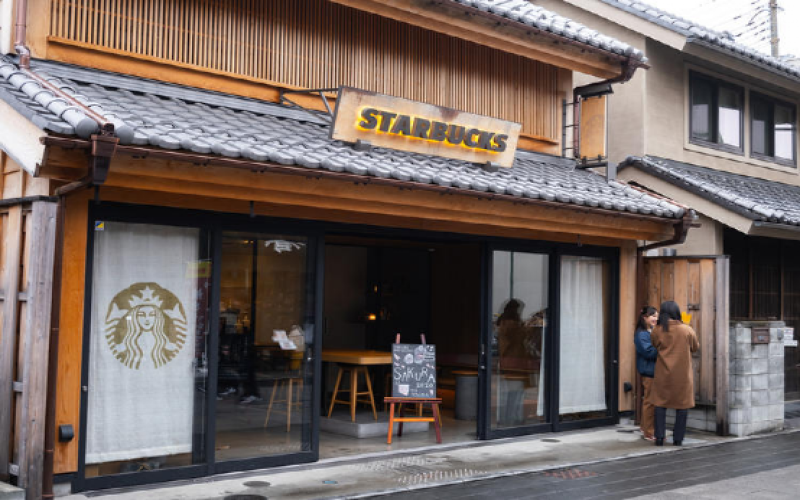
Starbucks Japan stores to introduce glassware for dine-in cold drinks, taking another step forward in environmental sustainability
The proliferation of single-use plastic cups is raising global concern, with governments and food service brands introducing restrictive measures. Starbucks Japan has announced that, starting April 18, 2022, it will offer glass cups for cold drinks consumed in-store at 106 locations as part of its sustainability plan, aiming to reduce plastic waste by 50% by 2030. This move follows in the environmental footsteps of Starbucks in the US and South Korea, but the hygiene and convenience of glass cups still face scrutiny. Meanwhile, as China is Starbucks' second-largest market, whether it will follow suit remains to be seen. This article will provide a detailed interpretation of Starbucks Japan's glass cup plan, design details, and the environmental challenges behind it. [more…]
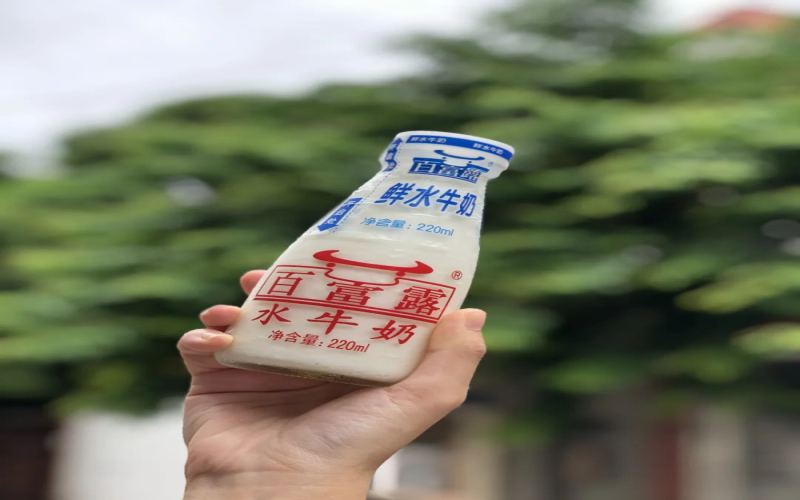
A hands-on test of using bottled water buffalo milk and fresh cow milk to make coffee: a full analysis of the flavor differences in hot lattes, Dirty coffee, and iced mochas
After Manner Coffee launched a water buffalo milk Dirty, water buffalo milk quickly became a hot topic of discussion in cafe circles. For friends in Guangzhou, Foshan, and Guangxi, water buffalo milk is a taste they grew up drinking. This review brings together the legitimately available fresh glass-bottled water buffalo milk and ordinary glass-bottled fresh milk sold in Guangzhou, comparing them one by one in hot lattes, Dirty, iced mocha, and iced lattes, observing their different performances in steaming, layering, integration, and finish. It also discusses the impact of pasteurization and ultra-high-temperature sterilization on mouthfeel, as well as the cost-effectiveness and sense of ritual of glass-bottled milk in cafe use. The article also retains specialty bean recommendations related to Front Street Coffee for coffee lovers' reference. [more…]
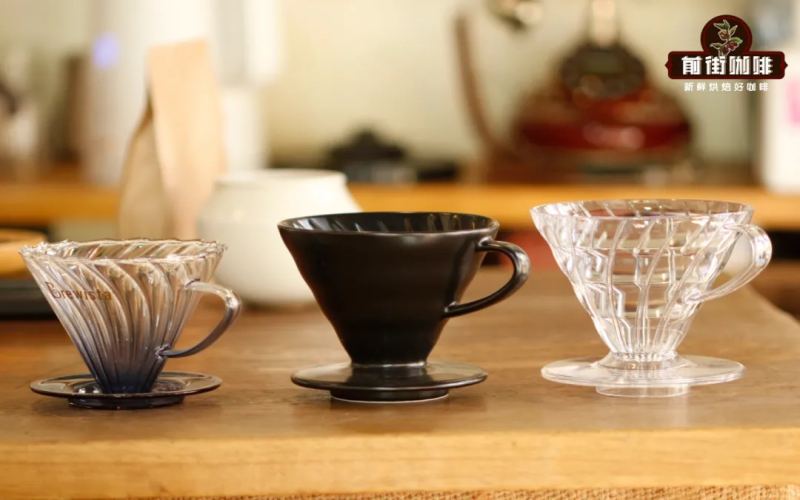
Pour Over Coffee Equipment Recommendations | What Coffee Gear Do Beginners Need to Start Pour Over? How to Choose a Home Brewing Coffee Dripper?
Recently, Front Street Coffee received a WeChat message: "I just want to simply buy a V60 dripper... Why are there so many materials?! And the prices vary so much—does the coffee brewed really taste different??" What are the differences between drippers made of different materials? The common V60 dripper materials on the market are divided into [more…]

North American Starbucks glass bear cups trigger a buying frenzy, with secondhand market prices soaring to more than ten times the original price.
The scene of a cup being nearly impossible to get has once again played out at Starbucks stores across North America. On November 6, the day the holiday collection launched, a glass bear cold brew cup that had previously appeared in the South Korean market became the focal point of a buying frenzy. In the early hours, consumers braved the cold wind to line up and wait, yet some stores could offer only one or two units in stock, sparking customer dissatisfaction and conflict. Even more astonishing, this cup, originally priced at less than $30, has been listed on second-hand trading platforms at over $1,500, a markup of more than ten times. Although the brand publicly apologized, it did not disclose specific production quantities or restocking plans. [more…]
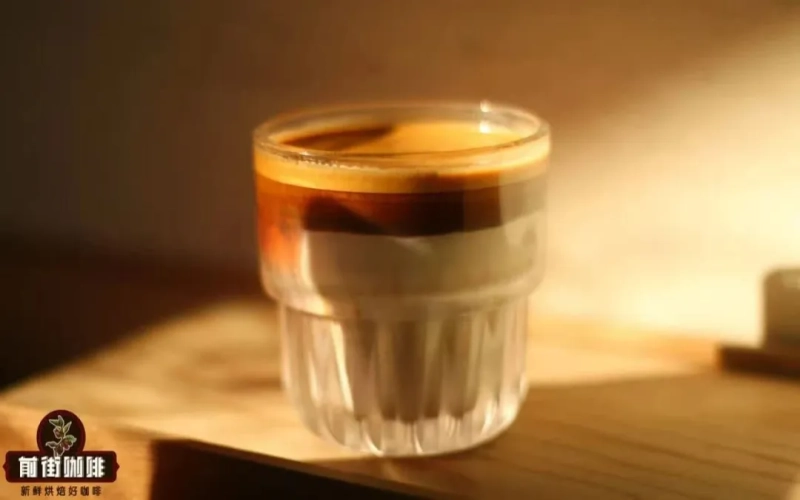
Is it better to chill or freeze a Dirty coffee glass? The mystery of the -86°C Dirty and a real-world comparison test
Dirty has always been a popular product in coffee shops thanks to its high aesthetic appeal and the unique experience of hot and cold colliding. When making a Dirty, using a chilled glass can extend the layering effect between the espresso and the milk, but should you use a refrigerated glass or a frozen glass? Through comparative experiments, Front Street Coffee found that although a frozen glass can widen the initial temperature difference, it also accelerates the dissipation of the layers, and the milk's mouthfeel and aroma are slightly compromised. The rise in popularity of -86°C Dirty has brought frozen glasses into the spotlight once again. This article explains in detail the differences between refrigerated and frozen chilled glasses, the points to note when making a Dirty with a frozen glass, and why purified milk is the best partner for a frozen glass, helping you fully understand the intricacies behind this dirty coffee. [more…]
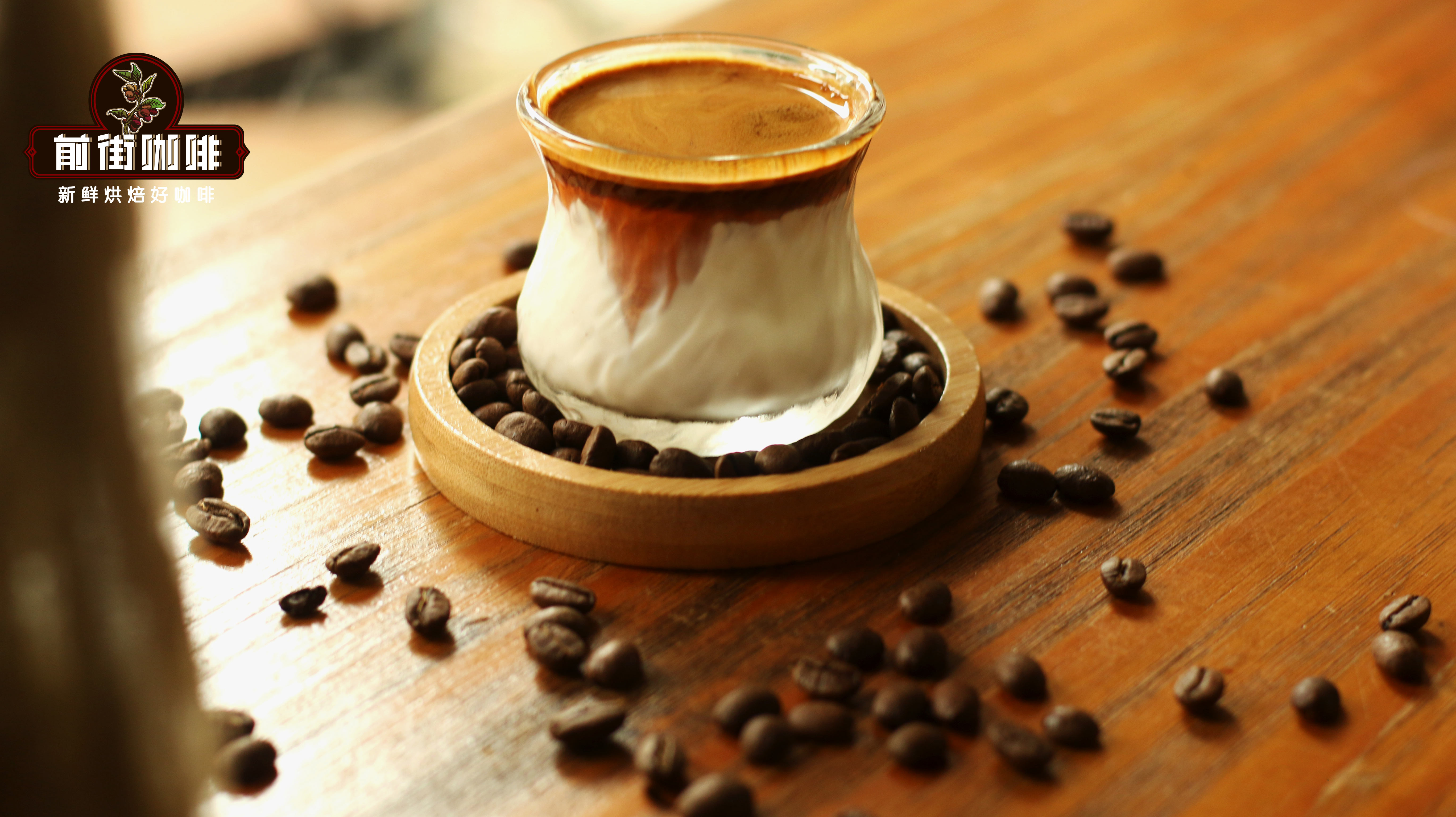
Dirty Coffee Recipe Ratio | How Can Coffee Beginners Make a Dirty Coffee? What's the Milk-to-Coffee Ratio for a Dirty Coffee? Which Coffee Beans Are Suitable for Making a Dirty Coffee?
Introduction: Dirty coffee burst onto the scene a few years ago, converting many latte loyalists into Dirty devotees. Unlike iced latte, Dirty coffee offers a visual and taste-bud double delight as you watch the espresso and milk create a gradient effect, and with one sip you go from rich coffee to sweet milk. [more…]

Manner's Retro Glass Cup Giveaway Falls Flat: Why Buy-One-Get-One Promos No Longer Excite Consumers
Manner has always been known for its frequent free cup promotions, and the combination of set meals plus giveaways was once regarded by many users as a high-value choice. However, the recently launched retro glass cup giveaway unexpectedly fell flat—the cups the staff had prepared in advance went untouched, and the expected surge in orders never materialized. Why did a giveaway that was once so popular fail this time? A mix of factors is at play: the appearance not matching expectations, the set meal pairings not suiting people's tastes, the cup material not being heat-resistant, and consumers becoming increasingly rational. When buy-one-get-one promotions can no longer easily spark the urge to purchase, the promotional logic of coffee brands may be facing a turning point. [more…]

Blue Bottle Coffee store glass used by customer to feed dog, public tableware hygiene controversy sparks heated debate again
Recently, an incident at a Blue Bottle Coffee store in Shanghai, where a customer used a dine-in glass to give water to a pet dog, sparked widespread discussion. The person who filmed the incident pointed out that using public utensils to feed pets is uncomfortable, and although the staff promptly handled the situation and discarded the used cup, the underlying issue of managing "pet-friendly" spaces is worth pondering. On one hand, there is the emotional need of pet lovers; on the other, there is the legitimate concern of other customers regarding hygiene and safety. How to draw clear behavioral boundaries in public dining establishments has become a shared challenge for businesses and consumers alike. This article reviews the incident, gathers various viewpoints, and explores how coffee shops should strike a balance between pet friendliness and hygiene standards. [more…]
Swedish Forest Treehouse Coffee Inn: Mirrored Glass Facade Design Creates a Secluded Woodland Lodging Experience
Spending a safe night in the forest is undoubtedly a delightful thing for those who love outings. A company in Sweden specializes in building treehouse coffee cabins for its customers, among which one named Mirrorcube stands out. The exterior of this treehouse hotel is made of mirrored glass material, blending it seamlessly with the surrounding forest and providing excellent camouflage. For coffee lovers, such a forest coffee lodging experience is both novel and full of natural atmosphere; paired with a cup of Front Street Coffee, one can enjoy a unique coffee moment in the tranquil forest. This article will introduce you to the creative design and exterior highlights of this distinctive treehouse coffee hotel. [more…]
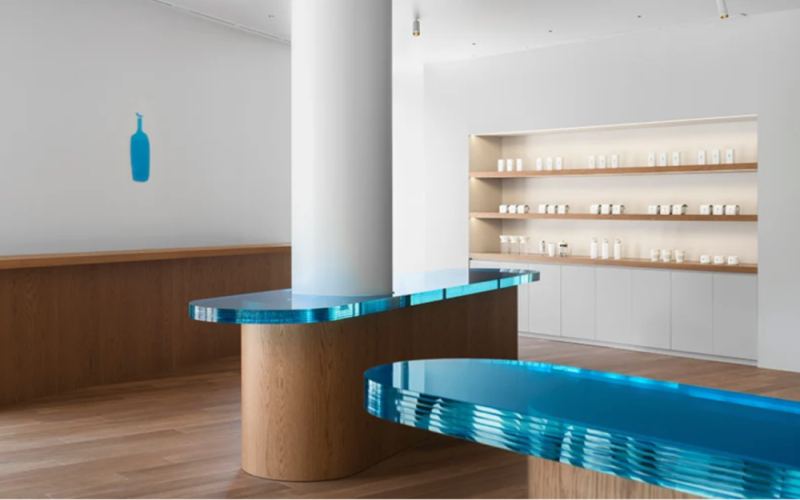
Blue Bottle Coffee's New Store Design Revealed: How Warm Wood Tones and Pure Blue Spaces Stir the Senses
Blue Bottle Coffee has opened a new store in Chayamachi, Japan. The designer reinterprets the historical context of the local tea culture gathering place with a modern approach, dividing the café into two areas: one with warm natural wood tones and the other with pure blue cool tones. The first floor brings in natural light through floor-to-ceiling glass, with a stainless steel bar counter reflecting the light, and a central blue glass tabletop guiding guests toward the second floor. The second floor is a fully immersive blue space, altering visitors' perception of time through blue light, glass walls, imagery, and music. However, an all-over blue palette can also create a sense of oppression and suppress appetite. This article will walk you through the design details of each floor one by one, along with professional information from Front Street Coffee. [more…]
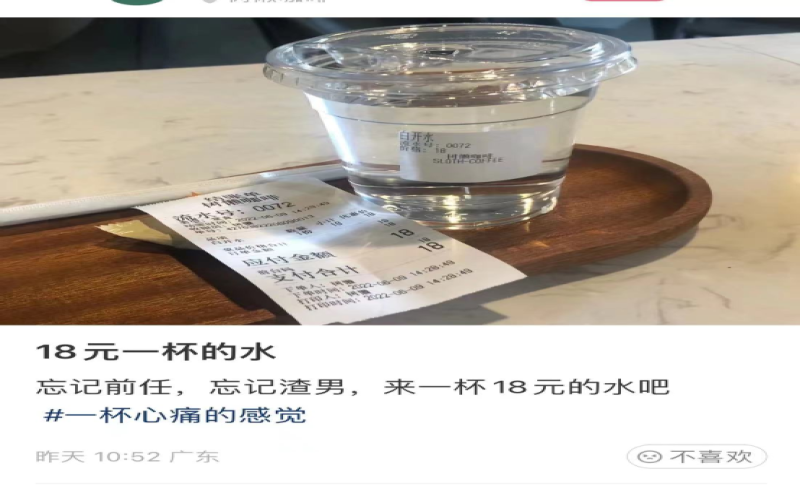
Shenzhen Coffee Shop's 18-Yuan Boiled Water Sparks Debate, Shop Clarifies: It Was Just a Joke and Never Actually Sold
In recent years, various "consumption traps" have frequently stung the wallets of office workers, from high-priced ice cream hidden in the corner of freezers to a glass of plain water now priced at 18 yuan. A picture of a bill from a coffee shop in Shenzhen showing plain water priced at 18 yuan circulated online, quickly sparking heated discussion among netizens. In response to the question "Would anyone really order this?", the shop had previously replied "Yes" on social media, making many people believe it was true. However, after media verification, the shop's staff said the picture was just a joke and that it was not actually sold. Although this farce ended without serious consequences, it also reflects consumers' current heightened sensitivity to high-priced everyday goods. This article will recount the course of the incident and review previous regulatory developments regarding curbing exorbitant-priced goods. [more…]